Exactly How Water-proof Canvas Shields Campers in Heavy Rainfall
Few things check an outdoor camping journey like an abrupt rainstorm. The distinction in between an unpleasant, soaked evening and a cozy, completely dry one usually boils down to a solitary product option: the canvas your camping tent or gear is made from. Waterproof canvas has actually come to be a favored amongst experienced outside lovers, and completely factor. It integrates toughness with authentic water resistance in a manner that lighter, more affordable materials just can not match. Comprehending how it works, and why it holds up so well versus hefty rainfall, can assist you make smarter choices the next time you gear up for the outdoors.
What Makes Canvas Different from Other Tent Fabrics
Canvas is a snugly woven textile, commonly made from cotton or a cotton-polyester mix. Unlike nylon or polyester camping tents, which depend practically entirely on a slim water-proof finish, canvas gets part of its water resistance from the fibers themselves. When cotton fibers get wet, they swell slightly, which tightens up the weave and makes it also harder for water to go through. This natural behavior, incorporated with a waterproofing therapy, provides canvas a dual layer of defense that several artificial materials lack.
Suppliers commonly deal with canvas with wax, paraffin, or synthetic waterproofing agents. These therapies coat each fiber, causing water to grain up and roll off the surface area instead of soaking in. The result is a textile that shakes off stable rainfall as opposed to slowly absorbing dampness gradually.
How Water-proof Canvas Does During Hefty Rainfall
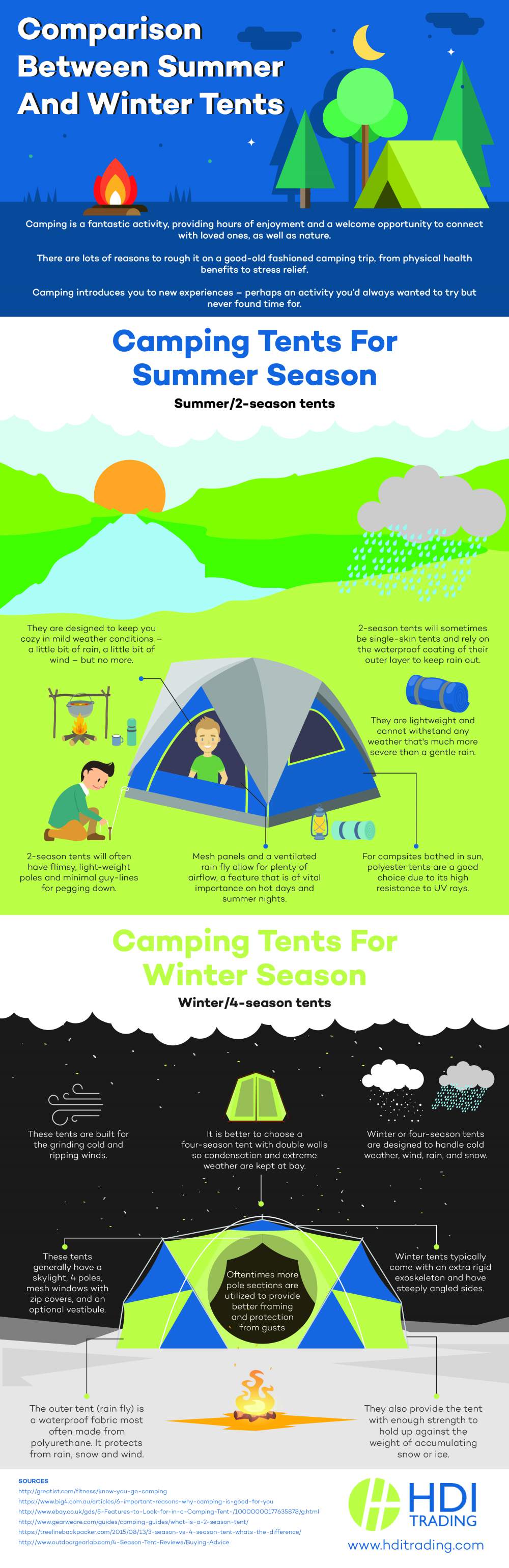
During a hefty storm, the biggest hazards to a sanctuary are pooling water, wind-driven rainfall, and extended saturation. Waterproof canvas addresses all 3. Its dense weave stands up to infiltration even when rainfall is dropping at a steep angle or being pushed sideways by wind. Due to the fact that the material is thicker than many synthetic alternatives, it likewise resists abrasion from branches, rocks, or particles that may or else pierce a thinner material and produce a leak factor.
Another benefit is how canvas takes care of sustained direct exposure. Some materials perform well in other words bursts of rainfall but start to fail after hours of continual moisture. Canvas, specifically when correctly dealt with, maintains its waterproof homes over extended downpours, which is specifically when campers need defense the most.
Breathability and Condensation Control
One forgotten benefit of canvas is breathability. Completely waterproof synthetic products can trap dampness inside a tent, causing condensation buildup on the interior wall surfaces. This dampness can be equally as uncomfortable as an actual leakage. Canvas, on the other hand, allows a small amount of air exchange also while blocking outside water. This aids regulate moisture inside the outdoor tents, keeping resting bags, apparel, and gear drier throughout the evening.
This breathability does not come at the expense of defense. The tight weave and water resistant therapies still prevent rain from surviving, while allowing interior dampness to escape gradually. It's an equilibrium that artificial fabrics typically battle to achieve.
Sturdiness That Expands Protection In Time
Heavy rainfall usually comes with wind, hailstorm, or particles, every one of which can wear down flimsier materials rapidly. Canvas is inherently a lot more sturdy. Its thicker fibers resist tearing and stretching, which indicates the water-proof coating stays intact longer instead of breaking or peeling off away after duplicated exposure. This sturdiness equates straight right into integrity: a canvas tent that has weathered several storms is commonly equally as safety as it got on the first day, provided it has been cared for correctly.
Appropriate maintenance contributes right here as well. Reapplying a waterproofing therapy occasionally, drying out the canvas totally after each journey, and saving it far from prolonged sunlight all help preserve its rain-resistant qualities for years.
Why Campers Continue to Choose Canvas
Despite being heavier than contemporary synthetic materials, canvas remains a canopy tent top choice for campers who prioritize long-term reliability over ultralight convenience. Bushcraft campers, hunters, and those who camp in uncertain environments usually favor canvas outdoors tents and tarpaulins especially due to the fact that they stand up so well when the weather condition transforms hostile. The combination of natural fiber behavior, protective treatments, and architectural longevity makes canvas distinctly matched to manage continual, heavy rainfall.
Final Thoughts
Waterproof canvas isn't just a traditional product holding on to significance, it's a really effective solution for remaining completely dry in hard conditions. Its firmly woven structure, water-repelling therapies, and breathable layout collaborate to keep campers protected during also the heaviest tornados. For anybody planning journeys right into unforeseeable weather, investing in top quality water resistant canvas gear can make the difference in between a spoiled trip and a comfortable, completely dry journey.